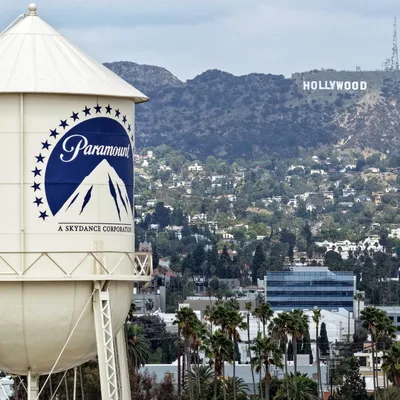
David Ellison Becomes Hollywood's Biggest Power Broker After Paramount-Warner Bros. Deal
The merger of Paramount and Warner Bros. under David Ellison creates an unprecedented studio empire, though significant industry challenges lie ahead.
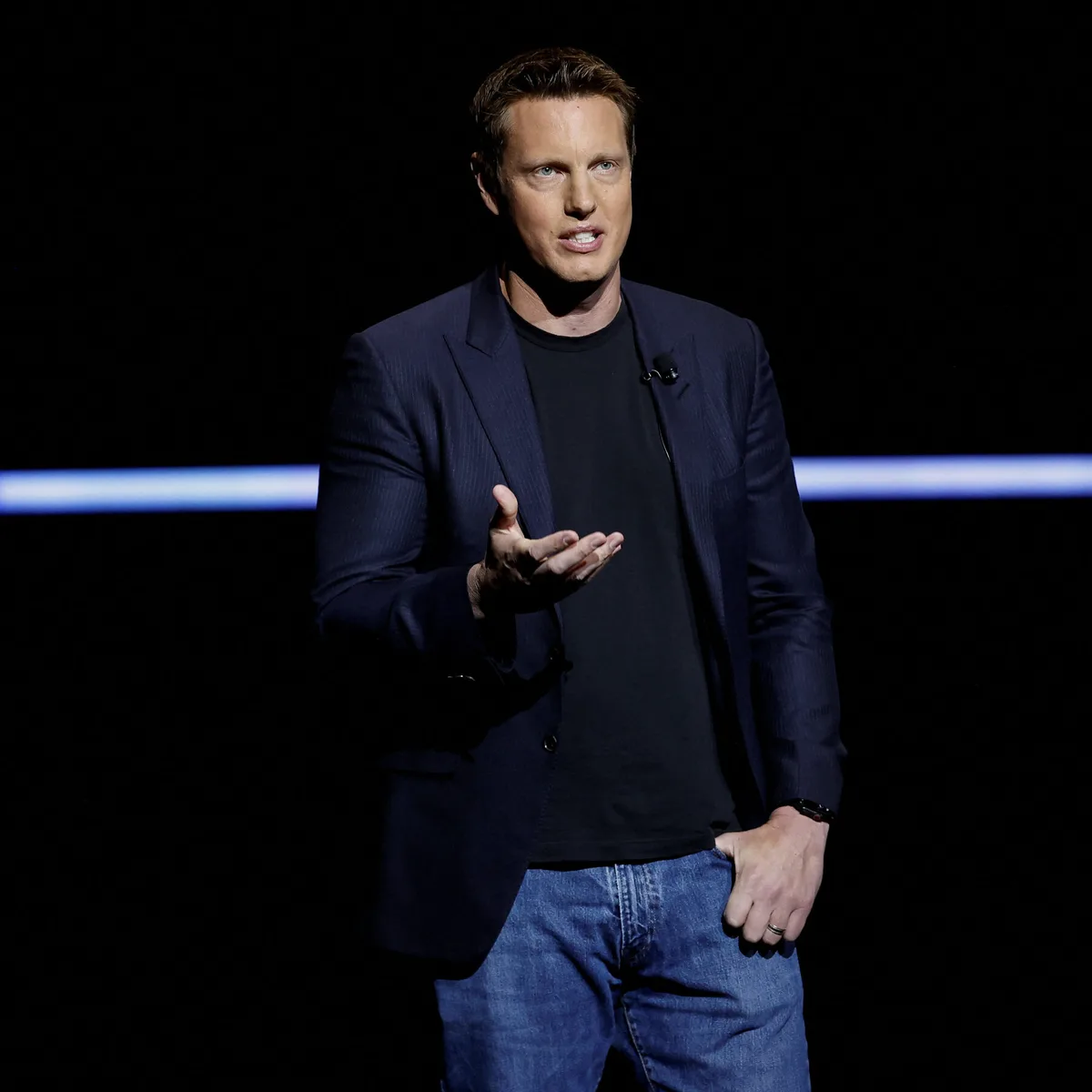
David Ellison is poised to become the dominant force in Hollywood after gaining control of both Paramount and Warner Bros., a consolidation that would make him the most powerful individual in the modern entertainment industry. The combination of two storied studio brands under a single owner marks a seismic shift in an industry already grappling with streaming disruption, declining box office returns, and intensifying competition from technology giants.
The scale of Ellison's new empire has drawn comparisons that underscore its sheer magnitude — observers have described him as the Hollywood equivalent of Superman, Caesar, and Midas combined, a characterization that reflects both the opportunity and the weight of expectation now resting on the Skydance Media founder. Few executives in the history of American entertainment have simultaneously controlled assets of this breadth.
Read more Paramount Clears Legal Hurdles, Eyes Warner Bros. Discovery Deal →
Yet the consolidation arrives at a precarious moment for legacy media. Both Paramount and Warner Bros. have faced mounting pressure from Wall Street over debt loads, subscriber growth targets, and the costly pivot to streaming-first business models. Merging two large, complex organizations brings its own operational risks, including potential overlap in content pipelines, workforce redundancies, and the challenge of unifying distinct corporate cultures forged over decades.
Ellison, the son of Oracle co-founder Larry Ellison, has moved swiftly through Hollywood's upper echelons in recent years, leveraging deep pockets and an appetite for bold dealmaking. Whether his combined studio powerhouse can stabilize revenue, compete with Netflix and Amazon, and restore the prestige of two legendary brands remains the central question facing the new entertainment colossus.
Continue reading at NYT > Business